Sweetest: A Display Font That Brings Joyful Energy to Any Project
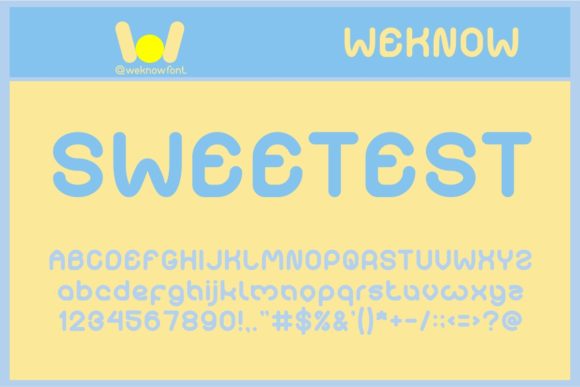
Every so often, a typeface comes along that doesn't just sit quietly on the page—it practically bounces off it. Sweetest is exactly that kind of font. With its playful curves, rounded edges, and cheerful personality, this display typeface has a way of making designs feel instantly warmer and more inviting. Whether you're crafting a logo for a new bakery, designing social media posts for a lifestyle brand, or putting together party invitations, Sweetest brings a dose of whimsy that's hard to ignore.
What sets this font apart isn't just its visual charm. It's the way it manages to feel both fun and versatile at the same time. Too often, playful fonts sacrifice legibility or limit themselves to a narrow range of uses. Sweetest avoids that trap. Its letterforms are clear enough to read at various sizes, and its personality adapts surprisingly well across different creative contexts—from digital screens to printed packaging.
A Typeface With Real Character
Sweetest falls into the display font category, which means it's designed to grab attention rather than serve as body text. Think headlines, titles, logos, and short bursts of text where personality matters more than paragraph-level readability. The font's visual style leans into soft, rounded shapes with a slightly bouncy baseline, giving it a handcrafted feel that resonates with audiences who appreciate warmth and authenticity in design.
Unlike rigid geometric typefaces, Sweetest has an organic quality to its letterforms. The strokes feel intentional but not overly polished, which creates a sense of approachability. This makes it particularly effective for brands and projects that want to communicate friendliness, creativity, or a sense of fun without looking amateurish. It's the kind of font that a children's book illustrator, a handmade soap company, or a quirky greeting card line might gravitate toward—and for good reason.
Where Sweetest Truly Shines
The real test of any creative font is how well it performs across different applications. Sweetest holds up remarkably well in a variety of design scenarios, and understanding where it excels can help you make the most of it.
Branding and Logo Design: If you're building a brand identity for something playful—a cupcake shop, a kids' clothing line, a craft brewery with a lighthearted vibe—Sweetest can serve as the foundation of your logo typography. Its distinctive letterforms make logos memorable, and the font's personality helps communicate brand values at a glance. Pair it with a clean sans serif font for supporting text, and you've got a brand system that feels cohesive and intentional.
Packaging Design: On shelves crowded with products, packaging needs to pop. Sweetest works beautifully on product labels, box designs, and wrapping materials, especially for items targeting families, younger consumers, or anyone who responds to cheerful aesthetics. Imagine it on a bag of artisanal candies or a line of scented candles—suddenly, the packaging tells a story before the customer even reads the product name.
Social Media Graphics: Content creators and marketers know that scroll-stopping visuals are everything on platforms like Instagram, Pinterest, and TikTok. Sweetest brings an eye-catching quality to quote graphics, promotional posts, story templates, and carousel slides. Its playful energy naturally encourages engagement, which can translate into more likes, shares, and saves for your content.
Print Materials and Invitations: From wedding invitations to baby shower announcements to birthday party flyers, Sweetest adds a celebratory touch that feels personal and heartfelt. The font's warmth makes recipients feel like the invitation was crafted with care, not pulled from a generic template. It also works well on posters, flyers, and event signage where you need text that communicates excitement.
Web Design and Blogs: While display fonts aren't meant for long-form reading, Sweetest can elevate website headers, hero sections, call-to-action buttons, and blog post titles. Used strategically, it draws visitors in and sets the tone for the entire site experience. A food blog, a parenting website, or a creative portfolio could all benefit from its distinctive presence.
Merchandise and Digital Products: If you sell T-shirts, mugs, stickers, or digital downloads like planners and worksheets, Sweetest adds a design-forward quality that makes products feel more polished and desirable. Customers are more likely to purchase merchandise that looks thoughtfully designed, and typography plays a bigger role in that perception than most people realize.
Getting the Most From This Font
Having a great font is one thing. Using it effectively is another. Here are some practical tips for working with Sweetest in your projects.
Consider the context first. Before dropping Sweetest into a design, think about the project's goals and audience. A playful display font is perfect for a children's party invitation but might feel out of place on a law firm's website. Match the font's personality to the emotional tone you want to create. If the project calls for something serious or minimalist, Sweetest probably isn't the right choice—and that's okay. Every font has its ideal setting.
Pair it wisely. One of the most common mistakes with display fonts is failing to pair them with complementary typefaces. Sweetest works best alongside a simple, neutral serif font or sans serif font for body text. The contrast between the playful display type and the clean supporting font creates visual hierarchy and keeps the design from feeling overwhelming. Experiment with different pairings before committing to one. A modern sans serif like Montserrat or a classic serif like Lora can ground Sweetest beautifully.
Mind the readability. Even though Sweetest is designed to be legible, display fonts are still best reserved for short text elements—headlines, titles, labels, and taglines. Avoid setting entire paragraphs in it. If readers have to squint or re-read text to understand it, the font is working against your goals rather than for them.
Explore the full family. Many premium font families include multiple styles—regular, bold, italic, condensed, or alternate character sets. Take time to review everything that comes with Sweetest. You might discover alternates or ligatures that add even more personality to your designs, or a bold weight that gives headlines extra punch.
Test across sizes and media. A font that looks gorgeous at 72 points on your laptop screen might lose its charm at 14 points on a printed business card. Always test Sweetest at the actual sizes and in the actual formats where it will appear. Print a sample. View it on a phone screen. Check it in both light and dark color contexts. These small steps prevent unpleasant surprises down the road.
Licensing and Commercial Use
One detail that often gets overlooked in the excitement of finding the perfect font is licensing. If you're using Sweetest for personal projects—like a birthday card for a friend—standard personal licenses typically cover you. But if you're designing for a client, selling products that feature the font, or using it in commercial marketing materials, you'll want to make sure your license covers commercial use. Most reputable font marketplaces make this distinction clear, and investing in the right license protects both you and your clients from legal headaches later.
It's also worth noting that different licenses may have different terms around embedding fonts in digital products, using them on websites via web font formats, or including them in downloadable templates. Read the fine print. A few minutes of due diligence now saves significant trouble down the road.
Why Typography Choices Matter More Than You Think
We've all seen designs that feel "off" without being able to pinpoint exactly why. More often than not, the culprit is a typography choice that doesn't match the project's intent. The fonts you choose are a form of visual communication—they signal tone, quality, and personality before a single word is read. A mismatched font can make a premium product look cheap or make a fun brand feel stiff and corporate.
Sweetest solves a specific problem for designers and creators: it provides a ready-made personality that's cheerful, approachable, and visually distinctive. Instead of spending hours searching for a typeface that captures the right mood, you can reach for Sweetest knowing it will deliver that joyful energy consistently across every touchpoint—from a website header to a product hang tag to an Instagram story.
The best design decisions are the ones that feel effortless to the audience but are intentional behind the scenes. Choosing a typeface like Sweetest is one of those decisions. It won't do all the work for you—good design still requires thoughtful composition, color choices, and strategic thinking—but it gives you a strong visual foundation that makes everything else click into place.
So the next time you're starting a creative project and wondering which direction to take your typography, consider reaching for something with a little more personality. Your audience will notice the difference, even if they can't quite explain why the design feels so good.