Chokycook: A Whimsical Font That Brings Personality to Your Projects
There’s a moment in every design project where you realize the typography isn’t just holding words—it’s setting the entire mood. Maybe you’re finalizing a logo for a new bakery, creating social media posts for a lifestyle brand, or designing invitations for a community event. You need something that feels friendly, approachable, and a little bit fun. That’s exactly where a display font like Chokycook shines. With its charming, slightly quirky letterforms, it has a way of injecting warmth and personality into visual communication without trying too hard.
What Makes This Typeface Feel So Approachable?
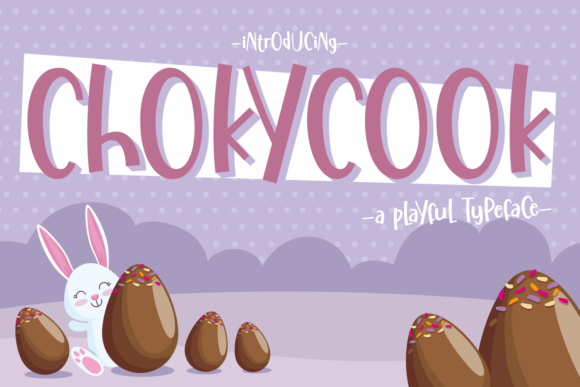
Chokycook is a display typeface, which means it’s crafted specifically for headlines, logos, and other prominent text where personality matters more than long-form readability. Its visual appeal lies in its balance—it’s playful but not childish, whimsical but still legible. The characters have a soft, rounded quality with subtle irregularities that give them a handcrafted feel. This makes it particularly effective for brands and projects that want to convey creativity, friendliness, and authenticity. Unlike stark sans-serifs or traditional serifs, a font like this can immediately soften a design and make it feel more human.
When selecting a typeface for any project, the first question should always be: what emotion or message do we want to communicate? If your goal is to appear innovative, serious, or ultra-modern, a clean sans-serif might be more appropriate. But if you’re aiming for approachability, creativity, or a touch of nostalgia, a display font with character—like this one—can be a powerful tool. It’s all about matching the font’s personality to your project’s goals.
Practical Applications Across Creative and Commercial Projects
One of the strengths of a versatile display font is its adaptability across different mediums. For small business owners, Chokycook could become a cornerstone of brand identity. Imagine it on a coffee shop’s menu board, a boutique’s shopping bags, or a craft seller’s product labels. Its friendly style helps build recognition and creates a consistent, welcoming vibe that customers remember.
For designers and content creators, it’s a valuable asset in the toolkit. Consider using it for:
- Social media graphics and blog headers where stopping the scroll is essential. The font’s uniqueness helps posts stand out in a crowded feed.
- Logo design for brands in lifestyle, food, wellness, or children’s markets. It lends itself well to logos that need to feel personable rather than corporate.
- Packaging design for artisanal products, handmade goods, or specialty foods. It reinforces the product’s story and quality.
- Digital products and marketing assets like e-book covers, webinar slides, or email headers, adding a creative touch that enhances perceived value.
- Print materials and merchandise such as posters, t-shirts, tote bags, and stickers, where its bold personality can really pop.
Event planners and bloggers might find it perfect for wedding invitations, party flyers, or website banners. The key is to use it strategically—often as a headline or accent font—where its charm can have the most impact without overwhelming the viewer.
Enhancing Visual Communication and Brand Consistency
Typography is a silent ambassador for your brand. Consistent use of a specific typeface helps build recognition and trust over time. When you integrate a font like Chokycook into your visual assets—from your website to your invoices to your Instagram stories—you’re creating a cohesive brand experience. This consistency makes your business look more professional and helps audiences quickly identify your content.
However, readability should always be a priority. A display font is rarely the best choice for long paragraphs of body text. Its strength is in short, impactful bursts. For optimal results, pair it with a highly legible serif or sans-serif font for longer copy. This combination ensures your designs are both engaging and easy to read. For example, you could use Chokycook for a product name on packaging and a clean sans-serif for the ingredient list and description. This hierarchy guides the viewer’s eye and improves the overall user experience.
Tips for Testing and Pairing Fonts Effectively
Before committing to any font for a major project, take the time to test it in context. Here’s a practical checklist:
- Review the full character set. Does it include the punctuation, numbers, and symbols you need? Are there alternate characters or ligatures that could add variety?
- Test readability at different sizes. A font that looks great at 72pt on a poster might lose clarity at 14pt on a mobile screen.
- Experiment with font pairings. Try combining it with different styles—a classic serif for elegance or a geometric sans-serif for modern contrast. Look for balance, not competition.
- Consider your color palette. How does the font look against your brand colors? Sometimes a slight adjustment in letter spacing or color contrast can make a big difference in legibility.
Most importantly, consider the licensing. If you’re using the font for commercial work—like client projects, merchandise for sale, or paid advertising—ensure you have the appropriate license. Many premium fonts come with clear licensing options for personal and commercial use, so it’s worth reviewing the terms to avoid any issues down the line.
Finding the Right Fit for Your Creative Vision
Ultimately, the best font is the one that serves your project’s purpose and resonates with your audience. Chokycook is a creative font that excels in scenarios where you want to add a dose of personality and warmth. It’s a tool for storytelling through design—whether you’re a freelancer crafting a brand identity, a marketer creating engaging ads, or a hobbyist designing invitations for a loved one.
Don’t be afraid to experiment. Try it out in a mockup, see how it feels alongside your other design elements, and gather feedback. Sometimes, the right typography isn’t just about following trends; it’s about finding a visual voice that feels authentic to your project. When a font like this clicks with your vision, it can transform a good design into one that truly connects and delights.