Why Tragic Is the Fun Display Font Your Next Project Needs
There’s a moment in every creative project where the typography either clicks or it doesn’t. You’ve got the concept, the color palette, the imagery—but the font feels flat, uninspired, or just too safe. That’s where a typeface like Tragic comes in. It’s not your typical workhorse font meant to disappear into the background. Tragic is a display typeface with personality, designed to grab attention and inject a dose of quirky energy into your work. If you’ve been searching for a creative font that breaks the mold, this might be the missing piece.
A Typeface with Character (and a Sense of Humor)
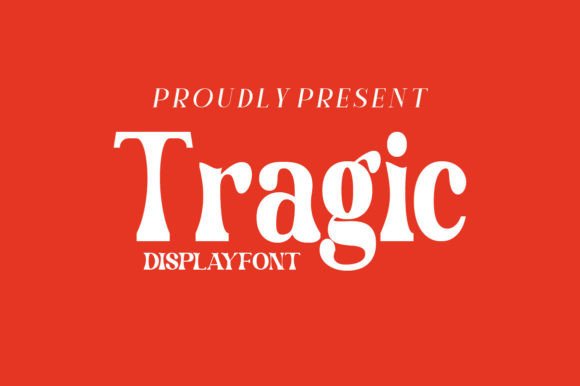
What sets Tragic apart from a standard serif or sans serif font is its deliberate, playful imperfection. The letterforms have a handcrafted, slightly uneven quality that feels organic and full of life. It’s the kind of typeface that doesn’t take itself too seriously, making it ideal for projects that aim to be approachable, fun, or a little rebellious. Think of it as the visual equivalent of a witty remark in a conversation—it adds flavor and makes people take notice.
This isn’t a font you’d use for long blocks of body text. Tragic is built for headlines, logos, and short, impactful statements where its unique character can shine. Its bold weight and distinctive shapes ensure it stands out on a crowded page or screen. For designers tired of the same minimalist sans serifs, Tragic offers a refreshing alternative that feels both modern and full of personality.
Putting Tragic to Work: Real-World Applications
The true test of any design asset is how it performs in the wild. Tragic’s versatility might surprise you. It’s more than just a novelty; it’s a practical tool for specific creative needs.
- Branding & Logo Design: If your brand identity is meant to feel energetic, youthful, or unconventional, Tragic can form the core of your logo. It’s particularly effective for businesses in the creative, lifestyle, or entertainment sectors. Imagine it on a logo for an indie coffee shop, a music festival, or a quirky online boutique. It communicates personality instantly.
- Packaging Design: On a shelf crowded with products, Tragic helps your packaging stand out. Use it for product names on artisanal foods, craft beverages, or cosmetic labels. Its playful vibe can make a product feel more fun and accessible, encouraging a second look from shoppers.
- Social Media Graphics: In the fast-scroll of Instagram or TikTok, you have milliseconds to capture attention. A bold, unique font like Tragic is perfect for creating shareable graphics, quote cards, or promotional announcements that stop the thumb. It adds a layer of visual interest that standard fonts often lack.
- Posters & Invitations: Designing a poster for a local event, a birthday party, or a special sale? Tragic brings a sense of occasion and fun. Its character makes it ideal for invitations where you want to set a specific, memorable tone from the moment the envelope is opened.
- Editorial & Web Design: While not for body copy, Tragic works beautifully for pull quotes, section headers, or featured article titles on a blog or magazine-style website. It can break up visual monotony and guide the reader’s eye to key content.
Making It Work: Practical Tips for Using Display Fonts
Adopting a font like Tragic requires a thoughtful approach. Its strength is its personality, but that needs to be balanced to maintain professionalism and readability.
Pairing is Everything: Never use Tragic for everything. The most effective strategy is to pair it with a clean, neutral companion font. A simple sans serif like Open Sans, Lato, or even a classic serif like Garamond can provide the necessary contrast. Let Tragic handle the headlines and key phrases, and use your secondary font for subheadings and body text. This creates hierarchy and ensures your message is both seen and read.
Consider Your Audience: Tragic’s playful nature might not be the right fit for a law firm or a corporate financial report. It’s perfect for targeting audiences that appreciate creativity, humor, and a less formal tone. Always align your typography choices with the expectations of your audience and the goals of your project.
Test for Readability: Even as a display font, legibility is non-negotiable. Always test Tragic at the actual size it will be used. A font that looks great at 72pt on your screen might become difficult to decipher at 24pt on a business card. Check the clarity of each letter, especially in words with similar-looking characters.
Explore the Included Styles: Many premium fonts, including Tragic, often come with multiple styles or weights. Before you start, review what’s included. Does it have a bold and regular version? Are there any alternate characters or ligatures? Understanding the full toolkit allows you to use the typeface to its full potential.
A Smart Addition to Your Design Toolkit
Investing in a high-quality commercial font like Tragic is an investment in your brand’s visual language. It’s a design asset that can be used across countless projects, helping to build a consistent and recognizable aesthetic. When you find a typeface that truly fits your creative voice, it becomes a reliable partner in your work.
Remember to always check the licensing. A commercial license for a font like Tragic typically allows you to use it in projects for clients, on merchandise for sale, and across digital and print platforms. This clearance is crucial for any professional work and gives you the freedom to use the font confidently in your business.
If your design projects feel like they’re missing a spark of originality, exploring a font with as much character as Tragic is a worthwhile step. It’s not just about making things look different; it’s about communicating a specific feeling and connecting with your audience on a more human level. Add it to your creative toolkit, experiment with pairings, and see how a single, well-chosen typeface can transform the energy of your entire project.