Wonder Lemon: A Burst of 90s Energy for Modern Design
A Typeface with a Nostalgic, Sun-Drenched Personality
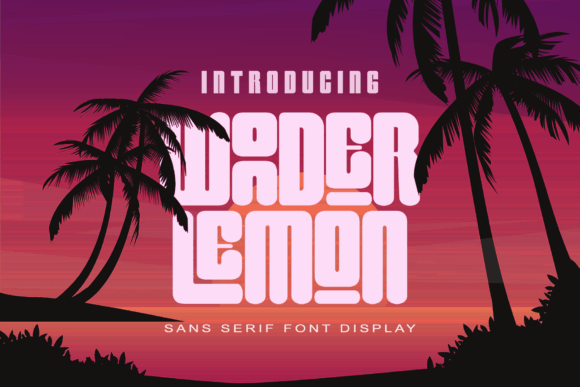
There’s a particular feeling that comes with the memory of a perfect 90s summer—neon colors, bold graphics, and an unapologetic sense of fun. Wonder Lemon, a condensed sans-serif display font, captures that exact energy and packages it for contemporary creators. This isn't just another typeface; it's a design tool built for impact. Inspired by the bold, space-efficient typography of that era, it’s crafted to command attention in headlines, logos, and branding where space is at a premium but personality is non-negotiable. For designers, entrepreneurs, and content creators, finding a font that balances nostalgia with modern utility can be the key to making a project feel both fresh and familiar.
Where Boldness Meets Practicality in Your Projects
The true value of a premium font like Wonder Lemon lies in its versatility across real-world applications. Its condensed letterforms are a practical solution for fitting more text into tight spaces without sacrificing readability, making it a workhorse for a variety of creative and commercial needs. Consider its role in logo design and brand identity—its bold, distinctive character helps a brand stand out in crowded markets, especially for products targeting a youthful, energetic demographic. Think of a boutique juice bar, a retro-inspired clothing line, or a vibrant event poster; Wonder Lemon provides the visual shorthand for fun and confidence.
Beyond logos, this typeface excels in packaging design. Shelf appeal is everything, and a condensed, high-impact font ensures product names and key messages are instantly legible, even from a distance. It’s equally at home in the digital realm. For social media graphics, where grabbing attention in a fast-scrolling feed is crucial, its bold weight and condensed shape make text pop against busy backgrounds or within Instagram story frames. On websites and blogs, it can be used strategically for hero section headings, call-to-action buttons, or featured post titles to inject personality without compromising the clean look of a modern site. Its utility extends to print materials like posters, flyers, and invitations, where it can set a playful, high-energy tone for an event or promotion.
Building a Cohesive and Recognizable Brand
Consistency is the bedrock of strong branding, and typography is a primary vehicle for achieving it. Integrating a distinct display font like Wonder Lemon into your brand identity system creates a recognizable visual signature. When a customer sees that bold, condensed lettering on a product, a social post, and a website header, the connection becomes instant. This font doesn’t just convey words; it conveys an attitude—modern, bold, and a little bit playful. This consistency builds trust and makes your brand more memorable in the minds of your audience.
However, using a strong display typeface effectively requires thoughtful pairing. A common and reliable approach is to pair Wonder Lemon with a clean, neutral sans serif font or a classic serif font for body copy. This contrast ensures readability for longer text passages while allowing the headline font to do its job of capturing attention. For instance, pairing it with a simple geometric sans-serif for website body text creates a balanced hierarchy. For a more editorial feel in a magazine layout or blog, combining it with a elegant serif can create a dynamic visual dialogue between modern boldness and traditional elegance. Testing these font pairings in mockups is essential to see how they interact in context.
Practical Considerations for Seamless Implementation
Before fully committing to a creative font for a major project, a few practical steps can save time and ensure success. First, always review the complete character set and font styles included with your purchase. Does it have the necessary punctuation, numerals, and multilingual support? Wonder Lemon, as a premium asset, typically comes with a robust set of glyphs, but verifying this for your specific project needs is a professional best practice.
Readability is paramount, even with a display font. While it shines at large sizes, testing it at the smallest size you anticipate using—perhaps on a mobile screen or a small product label—is crucial. Its condensed nature helps with legibility, but extreme sizes or poor color contrast can still hinder performance. Always view your designs in context: on a phone, on a printed page, from a few feet away for posters.
Finally, understanding the commercial licensing