Blocate: A Fresh Take on Modern Retro Typography
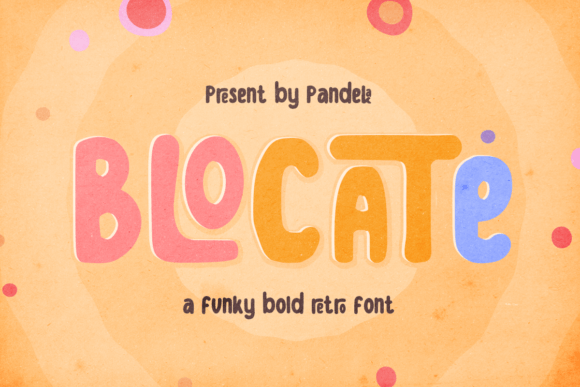
There’s something magnetic about a font that feels both nostalgic and fresh at the same time. You see it on a craft beer label, a trendy café menu, or a boutique clothing tag, and it just works. It captures a vibe—playful, confident, and unmistakably cool. That’s the space Blocate occupies. This isn’t just another retro font; it’s a bold display typeface with a clean, fun aesthetic that bridges the gap between vintage charm and contemporary design. Its standout feature—a clever ligature system on the capital letters—creates a distinctive wavy style that gives any text an immediate sense of character and movement. If you’re looking to inject some personality into your next project, understanding how to leverage a typeface like this is a smart move.
The Anatomy of a Modern Retro Font
So, what exactly defines the look and feel of Blocate? At its core, it’s a display font, meaning it’s crafted for impact rather than long-form reading. Think headlines, logos, and short, punchy statements. Its construction is bold, ensuring it commands attention whether it’s scaled up for a poster or sized down for a social media graphic. The retro influence is clear, but it’s filtered through a modern lens. You won’t find overly ornate or distressed details here. Instead, the aesthetic is clean and geometric, making it feel approachable and versatile. The magic, however, lies in those ligatures. When you type certain capital letter combinations, they seamlessly connect with a subtle wave, transforming standard text into a fluid, custom-looking wordmark. This single feature elevates it from a simple typeface to a dynamic design asset, perfect for creating unique logo designs and memorable brand identity elements without needing advanced design software.
Practical Applications: Where Blocate Shines
The true test of any premium font is its utility. How can you actually use it in real-world scenarios? Blocate’s personality makes it exceptionally suited for projects where you want to convey creativity, approachability, and a touch of nostalgia. Here’s how different professionals can put it to work:
- Branding & Logo Design: The ligature feature is a secret weapon for crafting unique logotypes. A coffee shop called "The Daily Grind" or a boutique named "Fern & Folly" would instantly stand out. The wavy connections add a handcrafted, almost playful quality that builds instant brand recognition.
- Packaging Design: On a label for artisanal goods, craft beverages, or specialty foods, Blocate’s retro vibe communicates quality and authenticity. It helps products tell a story on the shelf, connecting with consumers who appreciate thoughtful design.
- Social Media & Digital Content: For Instagram graphics, YouTube thumbnails, or blog headers, this font cuts through the noise. Its bold presence ensures your message is seen, while the retro-fun style can boost engagement and make your content more shareable.
- Print Materials & Merchandise: From event posters and festival lineups to tote bags and t-shirt designs, Blocate delivers a professional yet energetic presentation. It’s perfect for any project where the typography itself becomes part of the visual appeal.
- Invitations & Editorial Layouts: Wedding invitations, menu designs, or magazine feature spreads can all benefit from its distinctive character. It pairs beautifully with simpler sans serif fonts for body text, creating a balanced and engaging hierarchy.
Integrating Blocate into Your Design Workflow
Adopting a new typeface into your toolkit is about more than just liking how it looks. It’s about ensuring it serves your project’s goals. Here’s some practical advice for working with a font like Blocate.
Consider the Context: Because it’s a display font, readability at small sizes or in long paragraphs isn’t its strength. Use it strategically for headlines, subheadings, and call-to-action text. For body copy, pair it with a highly readable sans serif or serif font. A clean sans serif like Montserrat or a classic serif like Lora can provide excellent contrast without competing for attention.
Test Font Pairings: Always preview Blocate with your body font of choice. The goal is harmony, not conflict. The retro, wavy style of Blocate should complement, not clash with, the supporting typeface. Spend time in your design software adjusting spacing and size to find the right balance.
Explore the Font Family: A quality font often comes with multiple styles. Check if Blocate includes variations like Regular, Bold, or Italic. Having a few weights at your disposal gives you more flexibility to create visual hierarchy within a single project, making your designs look more polished and professional.
Mind the Licensing: Before using any font in a commercial project—whether it’s for a client, for sale, or for your own business—verify the license. Most commercial fonts require a specific license for commercial use. Ensure you have the correct permissions to avoid legal issues down the line. This is a non-negotiable step in professional practice.
Beyond the Trend: Building a Cohesive Visual Language
Trends come and go, but a well-chosen typeface becomes a cornerstone of visual communication. The modern retro aesthetic, when used thoughtfully, isn’t a fleeting fad. It taps into a desire for warmth, personality, and authenticity in design. Blocate offers a gateway into this style without feeling dated. By using it consistently across your marketing assets, from your website headers to your email newsletters, you reinforce your brand’s personality. It helps create a visual consistency that makes your business more recognizable and memorable to your audience.
Ultimately, the right font does more than just spell out words. It sets a tone, evokes an emotion, and communicates a subtle message about who you are. Whether you’re a small business owner crafting your first brand identity, a content creator looking to level up your graphics, or a designer exploring new creative tools, a typeface with distinct character like Blocate is worth exploring. It’s a practical, stylish asset that can help you connect with your audience in a more engaging and visually compelling way. So, the next time you’re faced with a blank canvas, consider giving your words a little wave. It might just be the detail that makes all the difference.