Drop: The Bold Display Font That Brings Authenticity to Your Work
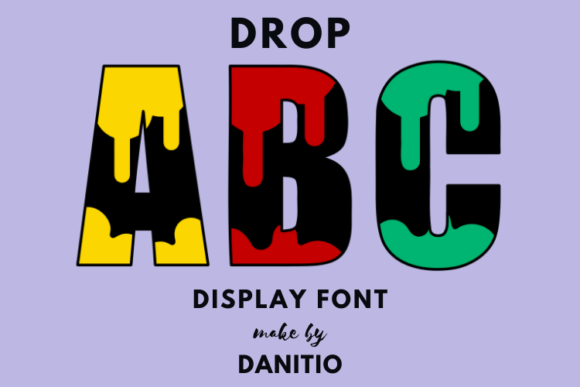
There's a moment in every design project where you realize something's missing. The layout looks right, the colors work together, but the words themselves feel sterile—like they're floating without purpose. That's usually the moment you need a typeface with personality, one that carries weight and character without overwhelming everything else. Drop is exactly that kind of font. It's a bold, unique display typeface that brings an authentic, almost handcrafted quality to headlines, logos, and visual statements. If you've been searching for something that feels genuinely human rather than mechanically perfect, this might be the creative asset you've been looking for.
What Makes Drop Stand Out in a Sea of Display Fonts
Display fonts live or die by their ability to command attention without becoming a distraction. Drop manages this balance with surprising grace. Its letterforms have a slightly irregular, organic quality that suggests real craftsmanship—the kind of imperfection that makes a design feel lived-in and approachable rather than cold and corporate. Unlike ultra-clean sans serif fonts that can sometimes feel forgettable, or overly decorative script fonts that sacrifice readability, Drop occupies a sweet spot. It's bold enough to anchor a headline, distinctive enough to be remembered, and versatile enough to work across a range of creative contexts.
The visual character of Drop draws from a modern sensibility while nodding to the warmth of hand-lettered typography. Each glyph carries subtle variations in weight and proportion that give text a sense of movement and energy. This isn't a font that tries to disappear into the background. It's designed to make a statement—whether that statement appears on a product label, a website hero section, or the cover of an indie magazine.
Practical Applications Where Drop Truly Shines
The real test of any typeface isn't how it looks in a specimen sheet—it's how it performs in actual projects. Drop proves its value across a surprisingly wide range of applications, from digital to print and everything in between.
Branding and Logo Design: If you're building a brand identity for a business that wants to feel approachable, creative, or slightly unconventional, Drop offers an immediate visual personality. Think of a specialty coffee roaster, an artisan bakery, a boutique fitness studio, or an independent publishing house. These are brands that benefit from typography that feels handcrafted rather than mass-produced. Drop can serve as the primary wordmark or as a complementary headline font within a broader typographic system. Its bold presence ensures brand names remain legible at various sizes, from storefront signage to social media profile images.
Packaging Design: On shelves crowded with competing products, packaging needs to communicate quickly and memorably. Drop works exceptionally well for product names, flavor labels, and taglines on packaging for food and beverage brands, cosmetics, craft goods, and subscription boxes. The font's authentic character helps products feel premium without pretentious—a quality that resonates with consumers who value transparency and craftsmanship.
Social Media Graphics and Digital Content: Content creators and social media managers know the challenge of stopping a scrolling thumb. Bold, distinctive typography is one of the most effective ways to do that. Drop performs beautifully in Instagram posts, Pinterest pins, YouTube thumbnails, and TikTok overlays. Its high-impact letterforms remain readable even at smaller sizes on mobile screens, making it a practical choice for quote graphics, promotional announcements, and branded content templates.
Websites and Blogs: While Drop isn't a body text font, it excels as a display typeface for web headers, section titles, and call-to-action statements. Pairing it with a clean sans serif or a simple serif font for paragraphs creates a visual hierarchy that guides readers naturally through content. Bloggers covering lifestyle, travel, food, design, or entrepreneurship can use Drop to give their sites a distinctive visual voice that sets them apart from the sea of default WordPress themes.
Print Materials and Editorial Layouts: From magazine covers and book jackets to event posters and business cards, Drop brings editorial energy to any printed piece. Its bold weight ensures headlines pop off the page, while its unique character adds visual interest that invites closer inspection. Designers working on zines, lookbooks, or creative portfolios will find it particularly useful for establishing a cohesive visual tone.
Invitations, Merchandise, and Marketing Assets: Wedding invitations, event flyers, branded merchandise like t-shirts and tote bags, email headers, and digital product covers—Drop adapts to each context with ease. Its versatility across formats makes it a reliable addition to any designer's toolkit, especially for projects that need to feel personal and intentional.
Improving Visual Consistency and Brand Recognition
One of the most overlooked aspects of professional design is typographic consistency. When a brand uses the same typeface—or a carefully curated set of complementary typefaces—across all touchpoints, it builds recognition over time. Audiences begin to associate specific letterforms with a particular brand, much like they associate a logo or color palette. Drop's distinctive personality makes it especially effective for this purpose. Because it's memorable without being gimmicky, it creates a strong visual anchor that audiences can latch onto.
For small businesses and entrepreneurs who may not have the budget for a fully custom typeface, a premium font like Drop offers a practical middle ground. It provides the uniqueness and quality of a professionally designed typeface at a fraction of the cost of commissioning custom lettering. The result is a brand presentation that feels polished and intentional, which builds trust with customers and clients.
Pairing Drop with Other Typefaces
No font exists in isolation. The most effective typographic designs combine two or three typefaces that complement each other without competing. Drop's bold, characterful nature means it pairs best with simpler, more understated companions. A clean sans serif like a geometric or neo-grotesque works well for body text, allowing Drop to own the headlines without visual clutter. Alternatively, pairing it with a classic serif font can create an interesting tension between modern boldness and traditional elegance—a combination that works beautifully for editorial layouts and lifestyle branding.
When testing font pairings, always preview them in context rather than in isolation. Set a headline in Drop and see how it looks alongside your chosen body font at actual sizes. Check the contrast between the two—too little difference and they'll blend together; too much and they'll clash. The goal is a harmonious hierarchy where each typeface has a clear role.
Readability and Practical Considerations
Because Drop is a display typeface, it's optimized for larger sizes where its personality can breathe. Using it for extended paragraphs or small body text would compromise readability, so reserve it for headlines, subheadings, pull quotes, and other prominent text elements. At display sizes, its letterforms are clear and easy to read, with enough spacing between characters to maintain legibility even in busy compositions.
Before committing to any font for a project, test it across the specific contexts where it will appear. View it on different screens if it's for digital use. Print a sample if it's for physical materials. Check how it renders in both light and dark backgrounds. These small steps prevent surprises later in the production process and ensure your design works as intended in every environment.
Also worth noting: always review the licensing terms that accompany any commercial font. Most premium fonts come with clear guidelines about how many users, devices, or projects a single license covers. Understanding these terms upfront protects your work and ensures you're using the font legally, whether it's for a personal blog or a client's product line.
Why the Right Display Font Changes Everything
Typography is one of those design elements that works best when it goes unnoticed by the casual viewer but is deeply felt. The right display font doesn't just decorate a page—it communicates tone, values, and intention before a single word is read. Drop does this with a kind of quiet confidence. It doesn't shout for attention through unnecessary flourishes or trendy effects. Instead, it earns attention through genuine character and solid design fundamentals.
Whether you're a designer building a brand system, a small business owner creating marketing materials, or a content creator looking for a font that makes your graphics stand out, Drop offers something increasingly rare in the world of typography: authenticity. It feels real, approachable, and carefully crafted—qualities that translate directly into the projects where it's used. In a landscape full of generic options, having a typeface with genuine personality isn't just a nice-to-have. It's a competitive advantage.