Gemoy: The Graffiti Font That Brings Street Energy to Your Designs
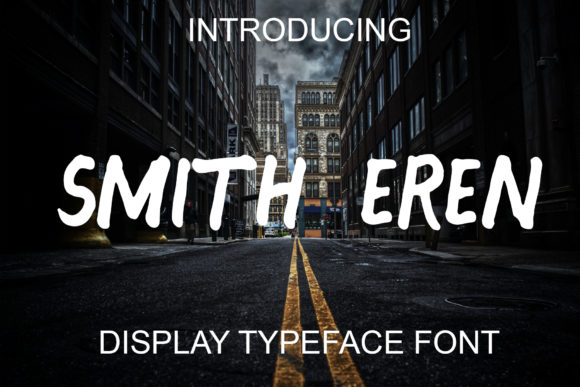
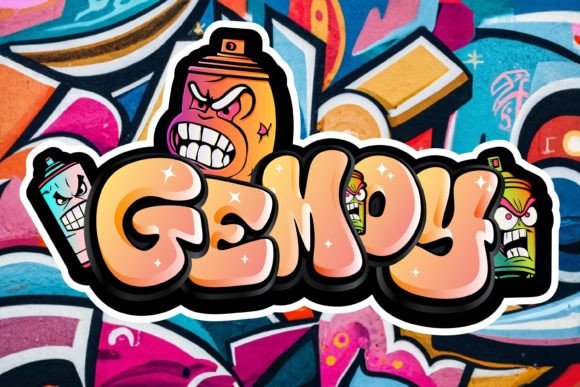
There’s a raw, magnetic pull to street art—the kind that stops you mid-stride on a city sidewalk, makes you lean in, and captures a piece of urban soul in a spray of color and line. That same electrifying energy is what Gemoy, a cool and edgy graffiti-style display font, injects into any creative project. It’s not just a typeface; it’s a visual attitude. With its bold strokes, dynamic curves, and pulsating rhythm, Gemoy captures the essence of contemporary graffiti art, making it a powerful tool for anyone looking to add a rebellious, authentic edge to their work. Whether you’re designing a poster, crafting an album cover, or developing a streetwear brand, this font embodies a spirit of urban coolness and creativity that feels both immediate and timeless.
More Than Just Letters: Capturing an Urban Vibe
What sets a font like Gemoy apart from a standard sans serif or script font? It’s all in the personality. Traditional serif fonts whisper of history and formality, while clean sans serif fonts speak with modern clarity. Gemoy, however, shouts with the confidence of a freshly painted mural. Its letterforms aren’t just designed; they’re performed. You can see the influence of spray cans and marker tips in the slight irregularities and the sense of motion within each character. This isn’t about sterile perfection; it’s about authentic expression. For a brand targeting a youthful, street-savvy audience—or any audience that values authenticity and edge—this visual language is invaluable. It communicates immediacy, creativity, and a connection to contemporary culture that more conservative typefaces simply can’t match.
Putting Gemoy to Work: From Brand Identity to Digital Products
The true test of any creative asset is its versatility in real-world applications. Gemoy’s strength lies in its ability to command attention in contexts where a strong visual statement is needed. Think beyond the obvious. Yes, it’s perfect for the headline of a music festival poster or the logo for an urban clothing line. But its utility extends much further.
Consider these practical applications:
- Branding & Logo Design: For a brewery, a skate shop, or a record label, Gemoy can form the cornerstone of a memorable brand identity. Paired with a more neutral sans serif for body text, it creates a dynamic hierarchy that’s both impactful and legible.
- Packaging Design: Imagine a hot sauce label, a craft beer can, or a snack bag that uses Gemoy for the product name. It instantly telegraphs a bold, flavorful, and unconventional product personality.
- Social Media Graphics: In a crowded feed, Gemoy makes Instagram stories, YouTube thumbnails, and promotional posts pop. It’s ideal for sale announcements, event promos, or quote graphics that need to stop the scroll.
- Editorial & Web Design: Used sparingly as a pull-quote or section header in a magazine layout or on a blog, it can break up monotony and inject a burst of energy into long-form content.
- Merchandise & Invitations: From concert tees and tote bags to birthday party invitations for a teen, Gemoy adds a fun, contemporary flair that feels custom and cool.
By using Gemoy consistently across these touchpoints—from your website’s hero banner to your email newsletter headers—you reinforce brand recognition. Your audience starts to associate that distinctive, energetic lettering with your unique voice and offering.
Making It Work: Practical Tips for Using a Display Font
A font with this much personality requires a thoughtful approach. You wouldn’t use a brush script font for a legal document, and similarly, Gemoy isn’t meant for body copy. Its power is in the headline, the logo lockup, the single, powerful word or short phrase. Here’s how to harness it effectively:
Font Pairing is Key: The goal is contrast and balance. Pair Gemoy with a highly legible, neutral font for longer text. A clean sans serif like Montserrat, Open Sans, or even a classic like Helvetica works beautifully. This allows the edgy display font to shine without overwhelming the reader. For a different twist, pairing it with a simple serif can create an interesting tension between street and traditional.
Prioritize Readability: At very small sizes or in long sentences, the intricate details of a graffiti font can get lost. Always test your designs at the intended size. Use it for short, high-impact text. If you’re using it for a logo, ensure the letter spacing (tracking) is adjusted so characters don’t collide awkwardly.
Explore the Included Styles: Many premium fonts like Gemoy come with more than one style. Look for variations—perhaps a cleaner version, an outlined style, or a set of alternate characters and ligatures. These extras give you more creative flexibility to customize the look for different projects.
Understand the Licensing: Before using any commercial font in a client project or for merchandise you sell, verify the license. Most fonts have specific terms for commercial use, and respecting these is part of professional practice.
Aligning Typography with Your Project’s Soul
Choosing the right font is ultimately a decision about communication. Ask yourself: what is the core feeling or message of this project? If the answer involves energy, rebellion, youth culture, urban landscapes, or raw creativity, then a typeface like Gemoy is a direct line to that emotion. It’s a design asset that does more than display words; it conveys an entire aesthetic.
In a landscape saturated with generic design, a well-chosen, character-rich font can be your secret weapon. It helps your project stand out, tells a stronger story, and connects with your target audience on a visceral level. Gemoy isn’t just a tool for putting words on a page—it’s a catalyst for creating designs that feel alive, authentic, and unmistakably cool. By integrating it thoughtfully into your toolkit, you’re not just choosing letters; you’re choosing a voice.