Deadwood: The Display Font with Grit and Character
Some fonts whisper, and some fonts shout. Deadwood does something more interesting—it tells a story. This isn't your typical, clean-cut typeface. Deadwood is a display font with a distinct personality: a little rough around the edges, full of character, and surprisingly versatile. It’s the kind of font you choose when you want your design to feel authentic, textured, and memorable. Whether you're building a brand from scratch, designing a poster for a local event, or crafting social media posts that stop the scroll, Deadwood offers a unique voice that can set your work apart.
Where Rustic Charm Meets Modern Design
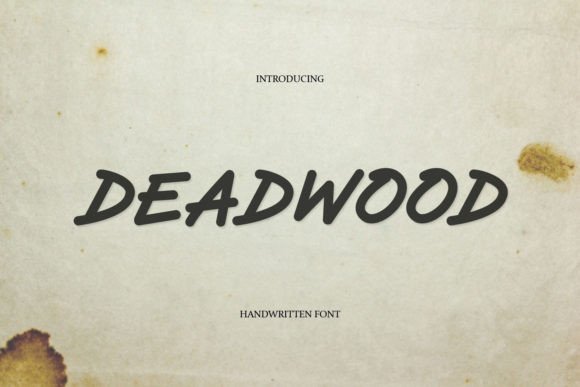
At its core, Deadwood is a serif font, but don't let that simple categorization fool you. Its serifs aren't sharp and corporate; they have a subtle, worn quality that suggests history and craftsmanship. The letterforms feel handcrafted, with just enough irregularity to give them warmth and approachability. This balance is key to its appeal. It avoids looking like a novelty or a gimmick. Instead, it feels like a premium font that has been carefully designed to evoke a specific mood—one of authenticity, creativity, and a touch of rebellion.
This makes it an incredible asset for projects that need to bridge the gap between traditional and contemporary. Think of a craft brewery that wants to honor traditional methods but appeal to a modern audience, or a boutique coffee roaster that prides itself on both quality beans and a sleek, urban aesthetic. Deadwood provides that visual bridge. It works beautifully in logo design, creating marks that are instantly recognizable and full of personality. It can anchor a brand identity that feels grounded and trustworthy, yet never boring.
Practical Applications: From Screen to Print
The true test of a font is how it performs in the wild. Deadwood’s strength lies in its adaptability across a range of design assets and contexts. Let's break down where it truly shines.
For Branding and Logo Design: If you're a small business owner or entrepreneur, your logo is often the first handshake with your customer. A font like Deadwood can convey your brand's story without a single word of copy. It’s perfect for businesses in the food and beverage, artisan goods, outdoor adventure, or creative service industries. It suggests quality, care, and a unique perspective. When used in a logo, it becomes a cornerstone of your visual consistency, making all your materials feel cohesive.
For Packaging and Merchandise: On a shelf or in an online store, packaging needs to grab attention. Deadwood’s textured presence makes product names and descriptions pop. It’s equally effective on merchandise like t-shirts, tote bags, and stickers, where a bold, clear statement is needed. The font’s character helps create brand recognition; customers will start to associate that distinctive look with your products.
For Digital Spaces: Websites, Blogs, and Social Media: In the digital realm, standing out is a constant challenge. Using Deadwood for headlines on your website or blog can immediately inject personality and guide the reader’s eye. On social media graphics—whether for Instagram stories, Facebook ads, or Pinterest pins—it helps create a consistent aesthetic that makes your content recognizable in a crowded feed. It’s a powerful tool for audience engagement, as unique typography often sparks interest and shares.
For Print and Editorial Design: Don't limit it to digital. Deadwood is fantastic for posters, event flyers, and editorial layouts. In a magazine spread or a book cover, it can set the tone for the entire piece. For invitations to weddings, parties, or launches, it adds a personal, crafted feel that digital fonts often lack. It’s a versatile creative font that works across mediums.
Making It Work: Pairing and Practicality
Using a display font effectively is about more than just liking how it looks. It’s about strategic application. Here’s some practical advice for integrating Deadwood into your projects.
Font Pairing is Everything: Deadwood has a strong voice, so it needs a partner that complements, not competes. A clean, simple sans serif font for body text is almost always a winning combination. Fonts like Helvetica, Open Sans, or Lato provide excellent readability for longer paragraphs, allowing Deadwood to handle the headlines and pull quotes. You could also pair it with a simple script font or handwritten font for a more layered, artisanal look in specific contexts, but use this sparingly to avoid visual clutter.
Readability Considerations: Because of its textured, detailed nature, Deadwood is best used at larger sizes. This is why it’s classified as a display font—it’s designed for headlines, titles, and short bursts of text, not for body copy. Always test your designs at the intended size and viewing distance. A headline that looks stunning on your computer screen might become hard to read as a small website banner on a mobile phone. Prioritize professional presentation by ensuring your text is always accessible.
Review the Included Styles: A good premium font family often comes with multiple styles. Check if Deadwood includes variations like bold, italic, or condensed. These styles give you more flexibility within a single project. For example, you could use the bold weight for main headlines and the regular weight for subheadings, maintaining visual consistency while adding hierarchy.
Understand the License: Before using any commercial font, always review the licensing terms. Ensure the license covers your intended use—whether it’s for a client project, merchandise for sale, or a digital product you plan to sell. This is a crucial step in modern typography practice that protects you and respects the font designer’s work.
Choosing the Right Voice for Your Project
Ultimately, selecting a font is a branding decision. You’re not just choosing letters; you’re choosing a tone, a mood, and a set of associations. Deadwood speaks to a desire for authenticity and character in a world of overly polished, generic design. It’s for the designer who wants to create something with soul, the marketer looking for an edge, and the creative entrepreneur building a brand that feels real.
Think about the core message of your project. Is it about heritage, craft, adventure, or creative nonconformity? If so, Deadwood’s visual characteristics—its sturdy serifs, its textured finish, its balanced weight—can help communicate that message visually. It’s a tool that, when used thoughtfully, can significantly elevate any creation, transforming it from a simple design into a compelling visual story.